A full-service dining room, a quick-service counter, and a carryout kitchen do not collect soil in the same places. We begin by identifying traffic paths, cooking methods, flooring materials, waste-handling points, and surfaces that need special care. The resulting checklist states what is cleaned, how often it is addressed, and which tasks require periodic deep cleaning.
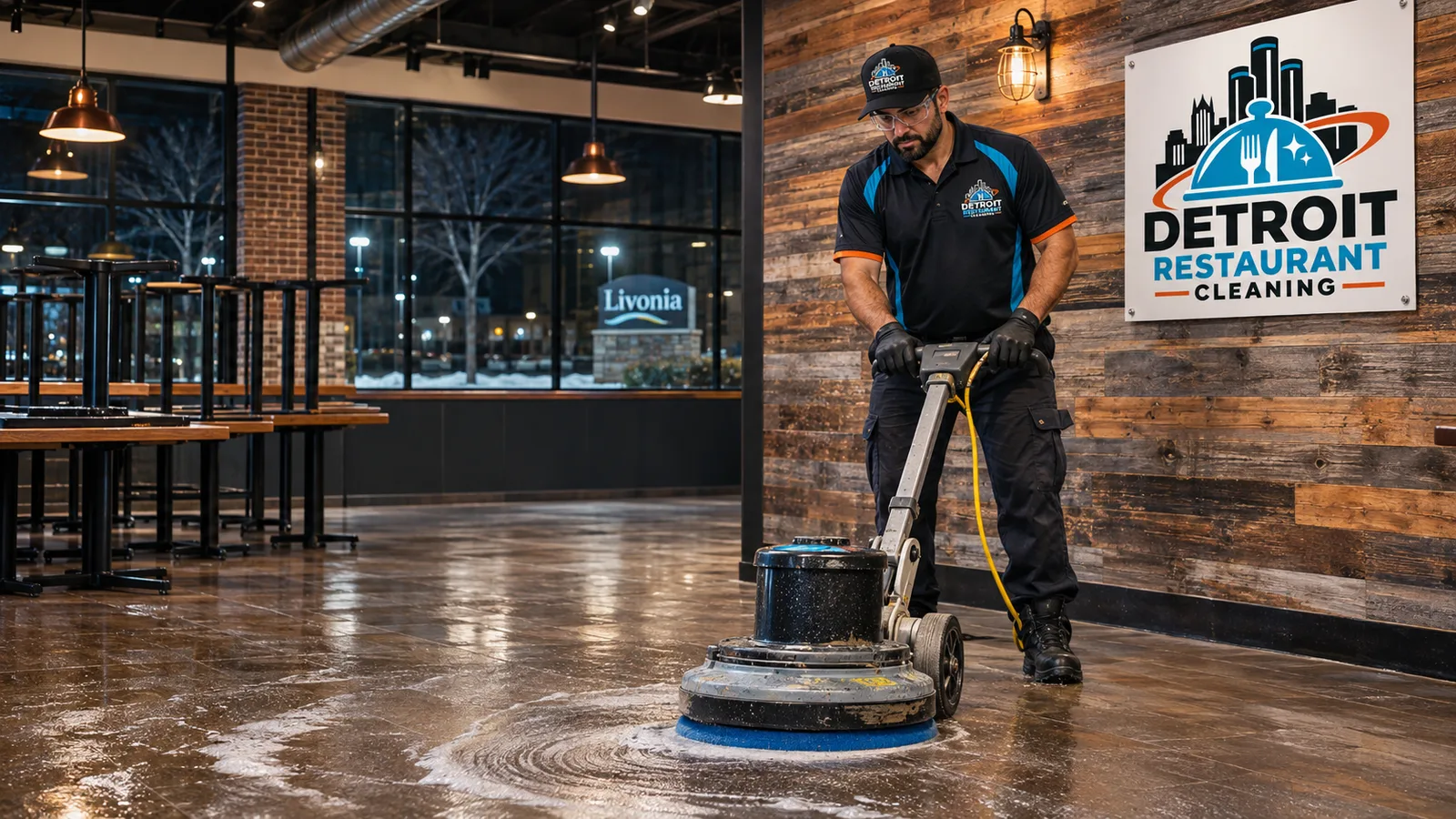
Michigan winters add tracked-in salt, grit, and moisture at entrances. If that residue is allowed to spread, it can dull floor finishes and create extra work throughout the dining area. Entry matting, frequent soil removal, and floor procedures matched to tile, resilient flooring, or sealed concrete help control it. During wet weather, service may place added attention on vestibules, aisles, and other high-traffic paths.
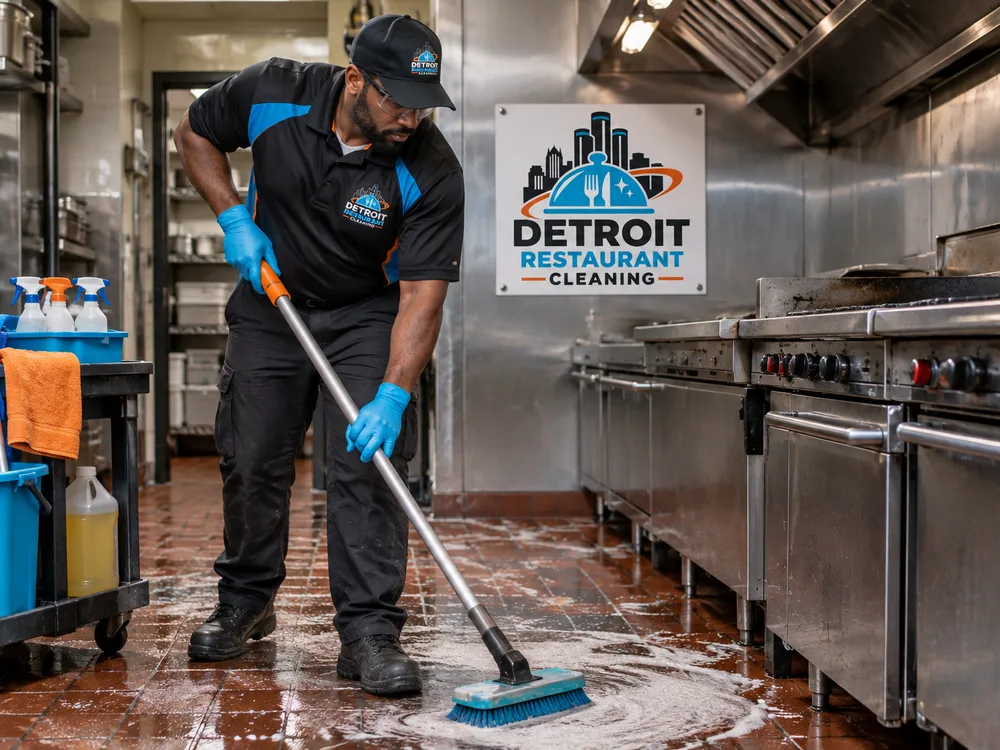
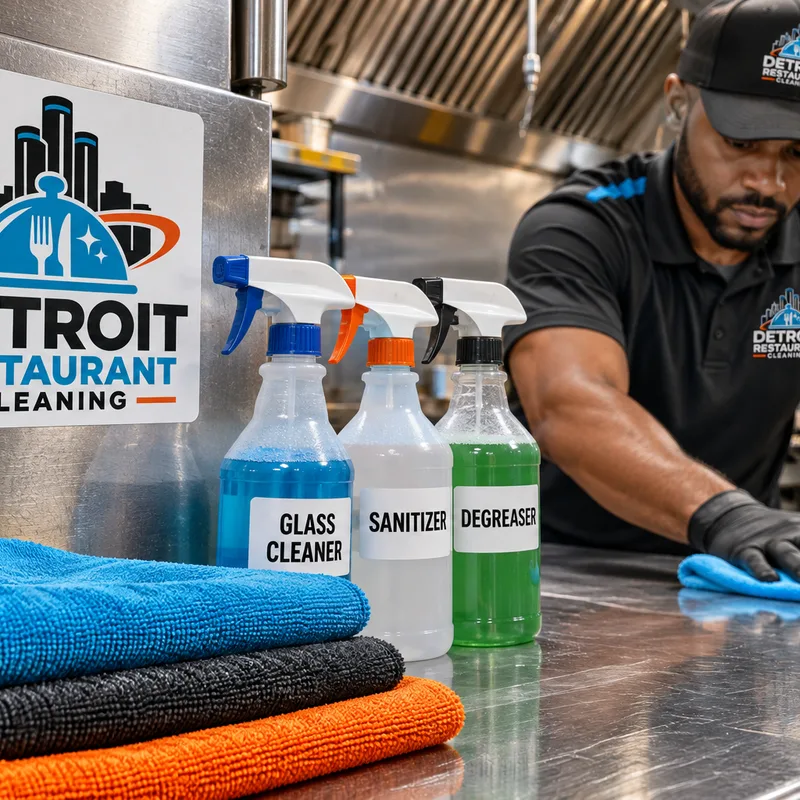
Kitchen work follows the direction of soil movement. Crews remove dry debris before wet cleaning, work from cleaner areas toward dirtier ones, and use separate tools where cross-contamination must be controlled. Color-coded microfiber cloths and mop equipment can help keep restroom tools out of food-service areas.